What is Cancer?
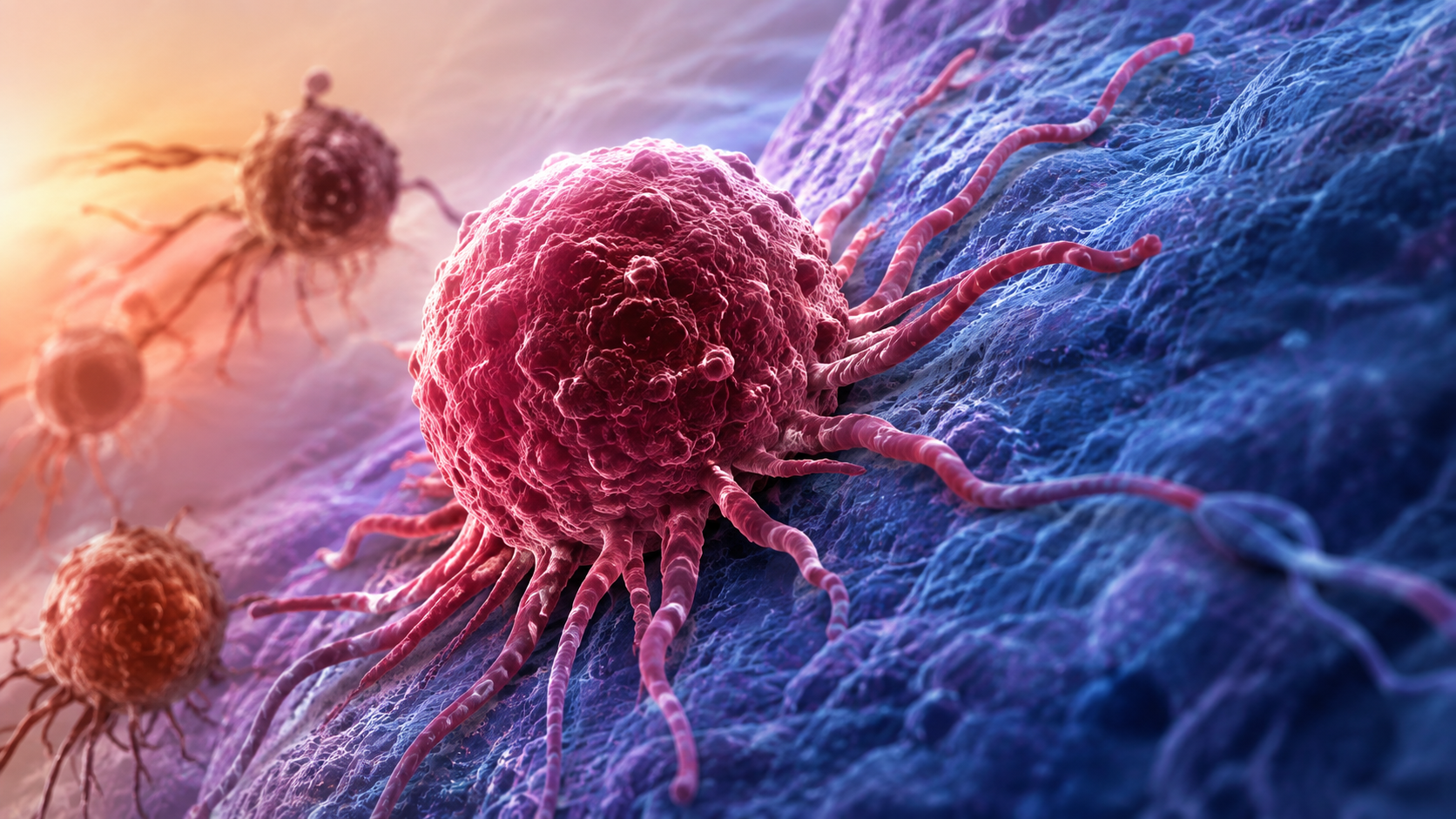
Cancer is a disease in which some of the body's cells grow uncontrollably and spread to other parts of the body. Normally, healthy cells grow, divide, and die in an organized manner. However, when genetic changes (mutations) occur in a cell's DNA, this normal process is disrupted. The affected cells continue to grow and multiply without control, forming a mass called a tumor. While some tumors are benign (non-cancerous), malignant tumors can invade nearby tissues and spread to distant organs through the blood or lymphatic system—a process known as metastasis.
How Does Cancer Develop?
Cancer develops over time through a series of genetic changes. These mutations may occur due to aging, environmental exposures, lifestyle habits, infections, or inherited genetic factors. As abnormal cells multiply, they can damage healthy tissues and interfere with the normal functioning of organs.
Common Types of Cancer
- Breast Cancer
- Lung Cancer
- Colon (Colorectal) Cancer
- Prostate Cancer
- Skin Cancer
- Leukemia
- Liver Cancer
- Brain Tumors
- Head & Neck Cancer
- Cervical Cancer
Symptoms of Cancer
Symptoms vary depending on the type and location of the cancer but may include:
- Unexplained weight loss
- Persistent fatigue
- A lump or swelling
- Pain that does not go away
- Persistent cough or hoarseness
- Changes in bowel or bladder habits
- Difficulty swallowing
- Unusual bleeding or discharge
- Skin changes or non-healing sores
Any symptom lasting more than two weeks should be evaluated by a healthcare professional.
Causes and Risk Factors
Several factors can increase the risk of developing cancer:
- Tobacco use (smoking and chewing)
- Excessive alcohol consumption
- Obesity and lack of physical activity
- Unhealthy diet
- Exposure to harmful chemicals or radiation
- Viral infections such as HPV and Hepatitis B/C
- Family history and inherited genetic mutations
- Increasing age
Diagnosis
Doctors may use one or more of the following methods:
- Physical examination
- Blood tests
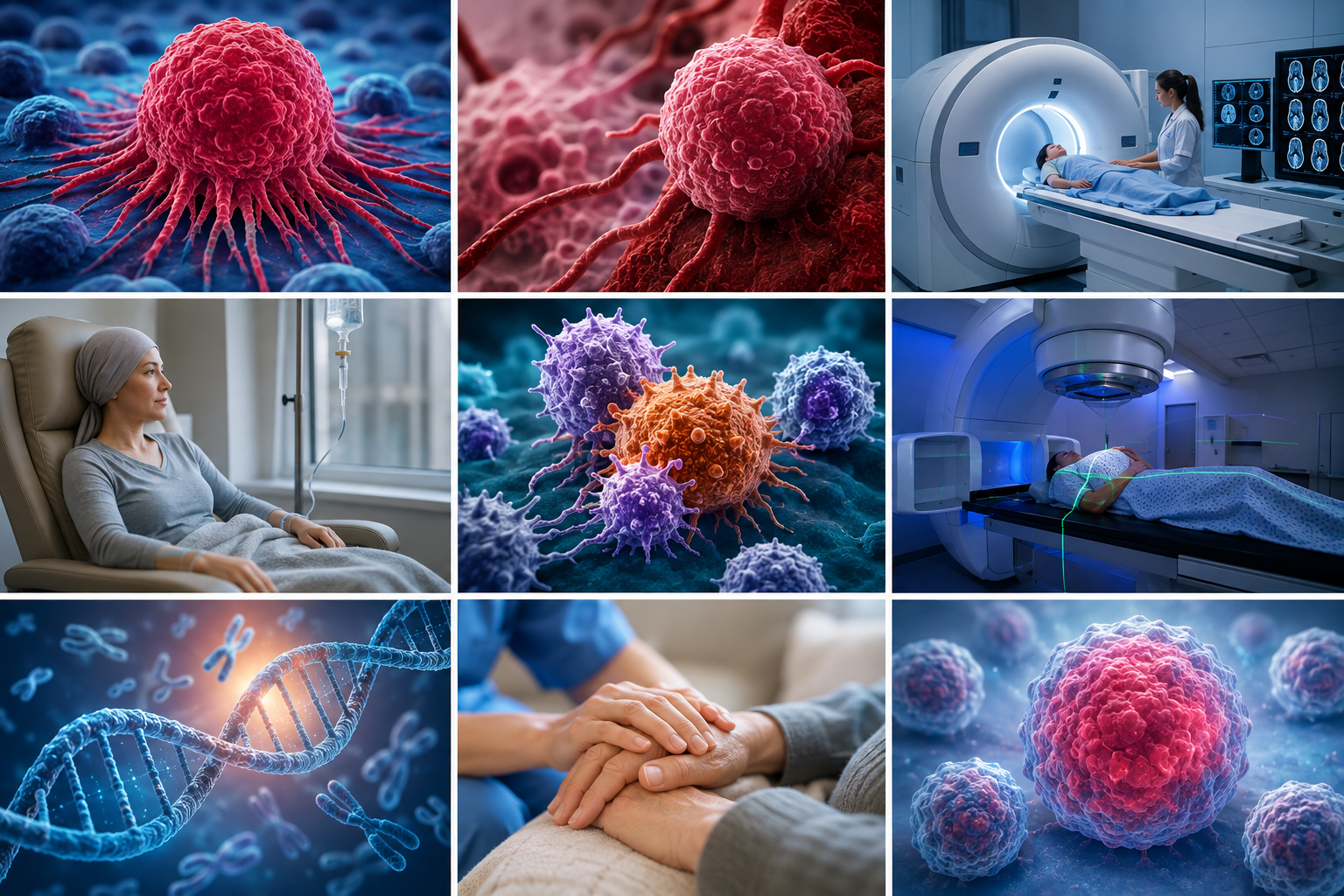
- Imaging tests (X-ray, CT, MRI, PET-CT)
- Biopsy (tissue examination)
- Genetic and molecular testing
Early diagnosis significantly improves treatment success.
Treatment Options
Cancer treatment depends on the type, stage, and overall health of the patient. Common treatment options include:
- Surgery – Removes the tumor.
- Radiation Therapy – Uses high-energy radiation to destroy cancer cells.
- Chemotherapy – Uses medicines to kill rapidly growing cancer cells.
- Targeted Therapy – Targets specific molecules involved in cancer growth.
- Immunotherapy – Helps the immune system recognize and fight cancer.
- Palliative Care – Improves comfort and quality of life during treatment.
Can Cancer Be Prevented?
Although not all cancers can be prevented, the risk can be reduced by:
- Avoiding tobacco products
- Limiting alcohol consumption
- Maintaining a healthy weight
- Eating a balanced diet rich in fruits and vegetables
- Exercising regularly
- Protecting your skin from excessive sun exposure
- Getting vaccinated against HPV and Hepatitis B
- Undergoing regular health screenings
Conclusion
Cancer is not a single disease but a group of diseases that can affect almost any part of the body. Thanks to advances in medical research, early detection and modern treatments have greatly improved survival rates and quality of life. Recognizing warning signs early and seeking timely medical care are the most effective ways to improve outcomes. Remember, early detection saves lives.