Cancer treatment has advanced significantly over the past few decades, giving patients more effective, personalized, and less invasive treatment options than ever before. Depending on the type, stage, and location of the cancer, doctors may recommend one or a combination of treatments to eliminate cancer cells, prevent recurrence, and improve quality of life.
A multidisciplinary team of specialists—including surgical oncologists, radiation oncologists, medical oncologists, radiologists, pathologists, and supportive care experts—works together to create an individualized treatment plan for each patient.
Goals of Cancer Treatment
The primary goals of cancer treatment include:
- Cure the cancer completely.
- Control cancer growth and prevent its spread.
- Relieve symptoms and improve quality of life.
- Reduce the risk of cancer recurrence.
- Help patients live longer and healthier lives.
Types of Cancer Treatment
1. Surgery
Surgery is one of the oldest and most effective cancer treatments, particularly for cancers detected at an early stage. The surgeon removes the tumor along with a margin of healthy tissue to reduce the risk of recurrence.
Surgery may be used to:
- Remove the entire tumor
- Diagnose cancer through biopsy
- Reduce tumor size before other treatments
- Relieve symptoms caused by advanced cancers
Minimally invasive and robotic-assisted surgeries are increasingly used to improve precision and shorten recovery time.
2. Radiation Therapy
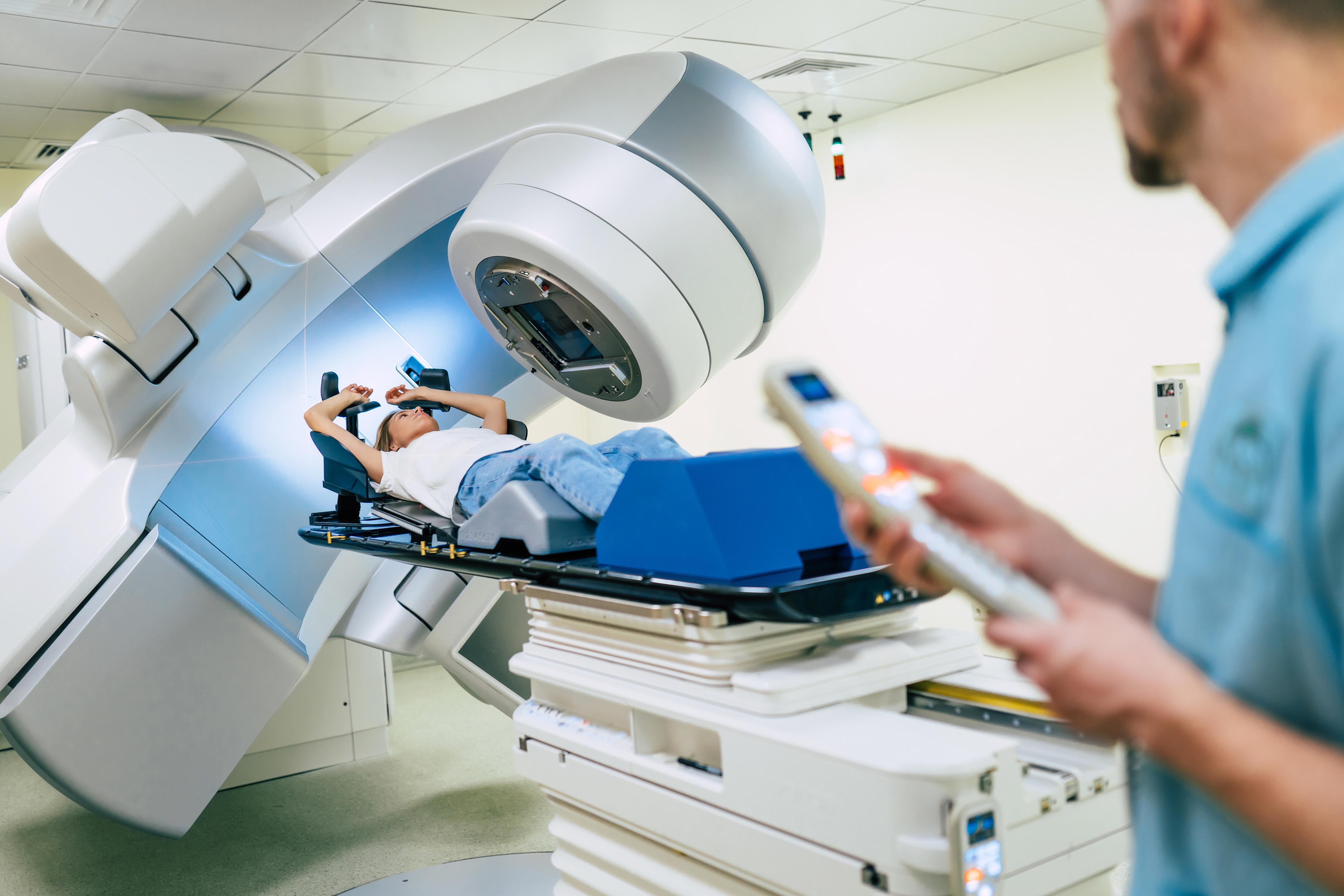
Radiation therapy uses high-energy X-rays or particles to destroy cancer cells while minimizing damage to surrounding healthy tissues.
Modern radiation technologies include:
- Intensity-Modulated Radiation Therapy (IMRT)
- Image-Guided Radiation Therapy (IGRT)
- Volumetric Modulated Arc Therapy (VMAT)
- Stereotactic Body Radiation Therapy (SBRT)
- Stereotactic Radiosurgery (SRS)
- Proton Therapy (available at selected centers)
Radiation therapy can be used before surgery, after surgery, or as the primary treatment for many cancers including head and neck, breast, prostate, lung, brain, and cervical cancers.
3. Chemotherapy
Chemotherapy uses powerful medicines to destroy rapidly dividing cancer cells throughout the body. It is often used for cancers that have spread or have a high risk of recurrence.
Surgery may be used to:
- Remove the entire tumor
- Diagnose cancer through biopsy
- Reduce tumor size before other treatments
- Relieve symptoms caused by advanced cancers
Minimally invasive and robotic-assisted surgeries are increasingly used to improve precision and shorten recovery time.
2. Radiation Therapy
Radiation therapy uses high-energy X-rays or particles to destroy cancer cells while minimizing damage to surrounding healthy tissues.
Modern radiation technologies include:
- Intensity-Modulated Radiation Therapy (IMRT)
- Image-Guided Radiation Therapy (IGRT)
- Volumetric Modulated Arc Therapy (VMAT)
- Stereotactic Body Radiation Therapy (SBRT)
- Stereotactic Radiosurgery (SRS)
- Proton Therapy (available at selected centers)
Radiation therapy can be used before surgery, after surgery, or as the primary treatment for many cancers including head and neck, breast, prostate, lung, brain, and cervical cancers.
3. Chemotherapy
Chemotherapy uses powerful medicines to destroy rapidly dividing cancer cells throughout the body. It is often used for cancers that have spread or have a high risk of recurrence.
Chemotherapy may be given:
- Before surgery (Neoadjuvant chemotherapy)
- After surgery (Adjuvant chemotherapy)
- Along with radiation therapy (Concurrent chemoradiation)
- For advanced or metastatic cancer
Common side effects include fatigue, nausea, hair loss, reduced immunity, and temporary loss of appetite. Modern supportive medications have greatly reduced many of these side effects.
4. Targeted Therapy
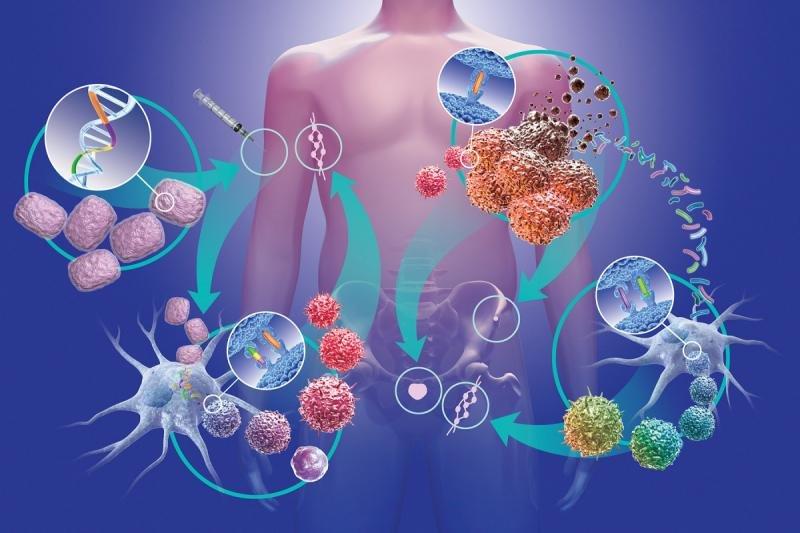
Targeted therapy attacks specific proteins or genetic mutations that help cancer cells grow and survive. Unlike chemotherapy, it focuses on cancer cells while sparing many healthy cells.
Targeted therapy is commonly used for:
- Lung cancer
- Breast cancer
- Colorectal cancer
- Kidney cancer
- Leukemia
- Thyroid cancer
Before treatment, molecular testing may be performed to determine whether a patient's tumor carries the appropriate genetic target.
5. Immunotherapy
Immunotherapy helps the body's immune system recognize and destroy cancer cells more effectively.
Common immunotherapy treatments include:
- Immune checkpoint inhibitors
- CAR-T cell therapy
- Monoclonal antibodies
- Cancer vaccines (for selected cancers)
Immunotherapy has shown remarkable success in treating melanoma, lung cancer, kidney cancer, bladder cancer, lymphoma, and several other cancers.
6. Hormone Therapy
Some cancers depend on hormones to grow. Hormone therapy blocks or lowers these hormones to slow cancer growth.
It is commonly used for:
- Breast cancer
- Prostate cancer
- Endometrial cancer
Hormone therapy may involve medications or surgery to reduce hormone production.
7. Stem Cell (Bone Marrow) Transplant
Stem cell transplantation replaces damaged bone marrow with healthy stem cells after high-dose chemotherapy or radiation.
This treatment is primarily used for:
- Leukemia
- Lymphoma
- Multiple myeloma
Personalized Cancer Treatment
Modern oncology increasingly focuses on personalized medicine. Doctors consider several factors before recommending treatment:
- Type of cancer
- Stage of disease
- Tumor size and location
- Genetic mutations
- Patient's age
- Overall health
- Previous treatments
This personalized approach helps maximize treatment effectiveness while reducing unnecessary side effects.
Managing Side Effects
Cancer treatment may cause temporary side effects that vary depending on the therapy.
Common side effects include:
- Fatigue
- Hair loss
- Nausea and vomiting
- Mouth sores
- Skin irritation
- Loss of appetite
- Increased infection risk
- Emotional stress
Supportive care, nutritional counseling, physiotherapy, and psychological support play an important role in improving recovery and quality of life.
Importance of Early Detection
Many cancers are highly curable when diagnosed early. Regular health screenings, awareness of warning signs, and timely medical evaluation can significantly improve treatment success and survival.
Conclusion
Cancer treatment has evolved from a one-size-fits-all approach to highly personalized care using surgery, radiation therapy, chemotherapy, targeted therapy, immunotherapy, hormone therapy, and stem cell transplantation. Advances in medical technology continue to improve survival rates while reducing treatment-related side effects. Early diagnosis, expert multidisciplinary care, and individualized treatment plans provide patients with the best opportunity for successful outcomes and a better quality of life.
If you or a loved one has been diagnosed with cancer, consult an experienced oncology team to discuss the most appropriate treatment options based on your specific condition.