
What is Head & Neck Cancer?
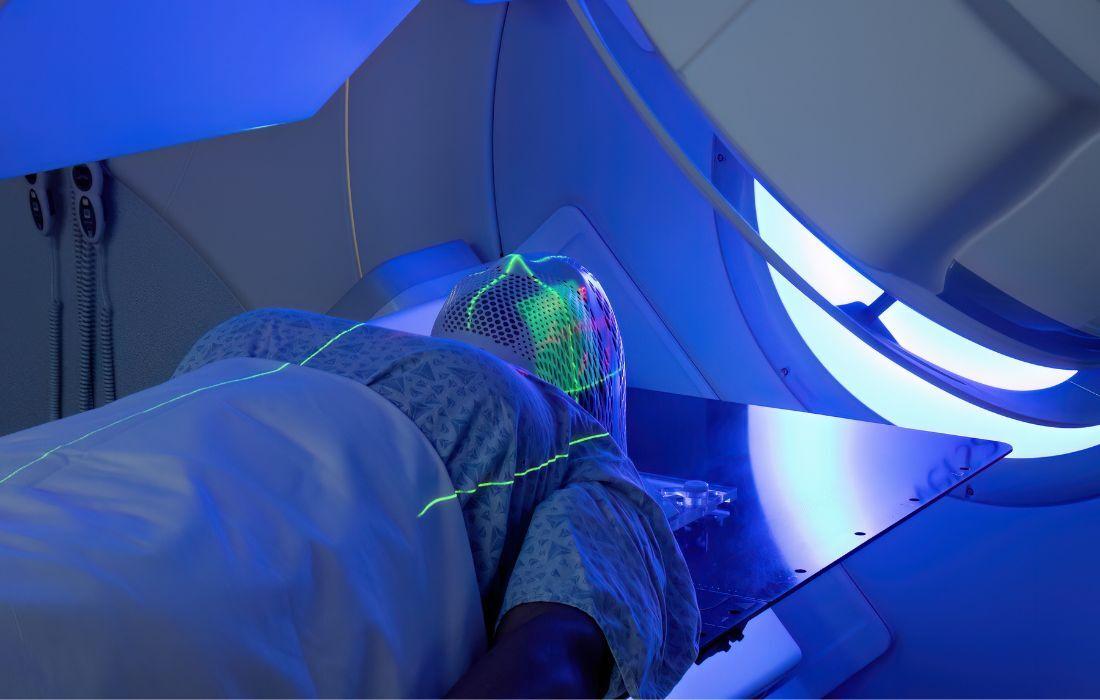
Head and neck cancer refers to a group of cancers that develop in the tissues and organs of the head and neck region, excluding the brain and eyes. These cancers commonly affect the mouth (oral cavity), throat (pharynx), voice box (larynx), nasal cavity, sinuses, and salivary glands. Most head and neck cancers begin in the squamous cells that line the moist surfaces inside these areas and are known as squamous cell carcinomas.
Early diagnosis significantly improves treatment outcomes and survival rates. With modern treatment techniques such as image-guided radiation therapy (IGRT), intensity-modulated radiation therapy (IMRT), robotic surgery, and targeted therapies, many patients can be successfully treated while preserving essential functions such as speech and swallowing.
Common Types of Head & Neck Cancer
Head and neck cancers include:
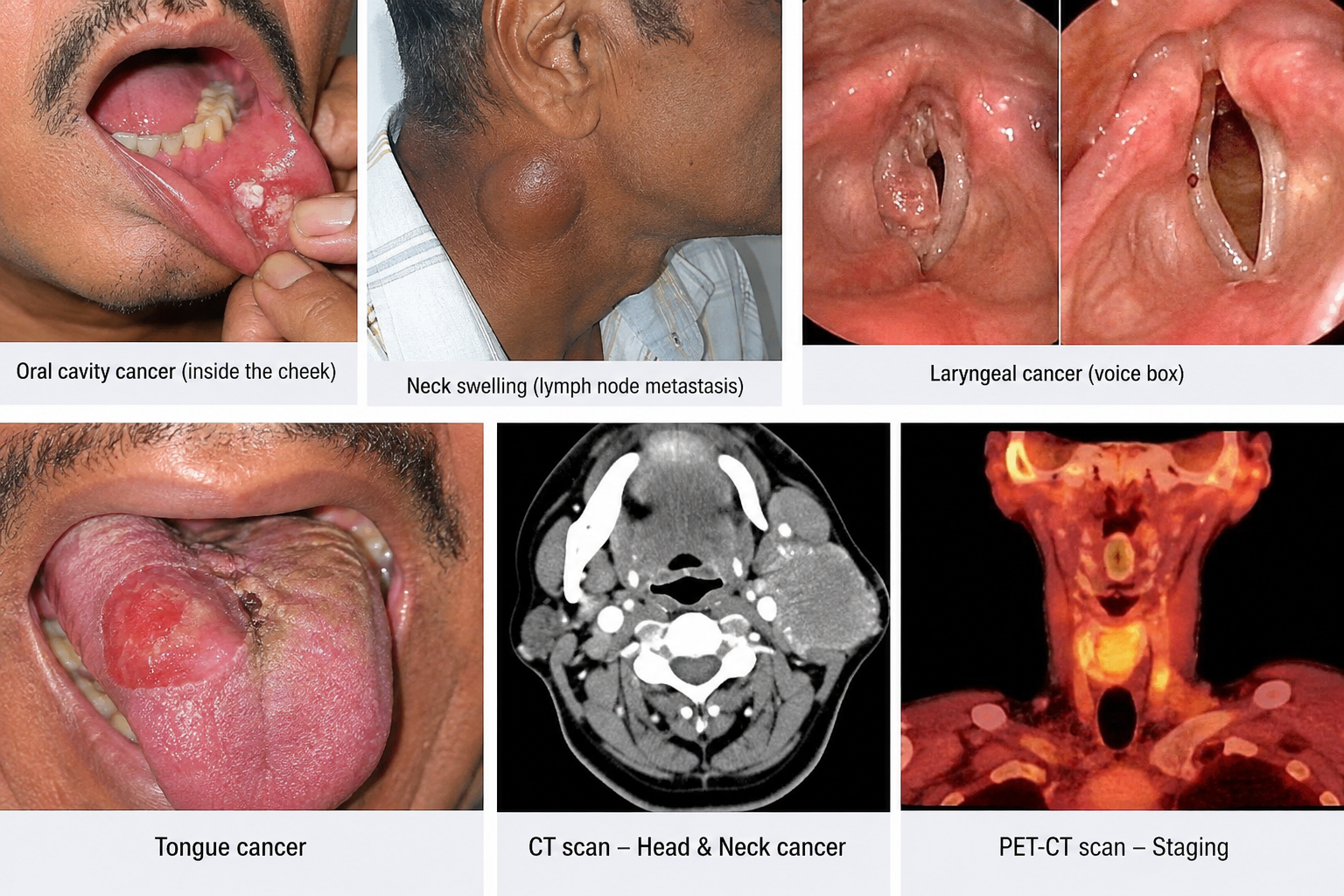
- Oral cavity cancer (tongue, gums, lips, cheeks, floor of mouth)
- Oropharyngeal cancer (tonsils and base of tongue)
- Nasopharyngeal cancer
- Hypopharyngeal cancer
- Laryngeal (voice box) cancer
- Nasal cavity and paranasal sinus cancer
- Salivary gland cancer
Each type requires specialized evaluation and a personalized treatment approach.
Symptoms
The symptoms depend on the location of the cancer but commonly include:
- A persistent sore in the mouth that does not heal
- Lump or swelling in the neck
- Difficulty swallowing (dysphagia)
- Persistent sore throat
- Hoarseness or voice changes lasting more than three weeks
- Pain while swallowing
- Unexplained weight loss
- Ear pain
- Difficulty opening the mouth
- White or red patches inside the mouth
- Persistent nasal blockage or nosebleeds (in certain cancers)
If any of these symptoms persist for more than two weeks, medical evaluation is strongly recommended.
Causes and Risk Factors
Several factors increase the risk of developing head and neck cancer:
- Tobacco smoking or chewing
- Excessive alcohol consumption
- Human Papillomavirus (HPV) infection, especially HPV-16
- Epstein-Barr Virus (EBV) infection (particularly nasopharyngeal cancer)
- Poor oral hygiene
- Long-term sun exposure (lip cancer)
- Exposure to wood dust, asbestos, or industrial chemicals
- Family history and genetic predisposition
Avoiding tobacco and limiting alcohol are among the most effective preventive measures.
Diagnosis
Diagnosis usually involves:
- Physical examination of the head and neck
- Endoscopy to examine the throat and voice box
- Biopsy to confirm cancer
- CT Scan
- MRI Scan
- PET-CT Scan for staging
- HPV testing (for selected throat cancers)
Accurate staging helps determine the most effective treatment plan.
Treatment Options
Treatment depends on the cancer type, stage, and overall health of the patient.
Surgery
Early-stage cancers may be completely removed through surgery while preserving normal function whenever possible.
Radiation Therapy
Modern radiation techniques such as IMRT, IGRT, and VMAT precisely target tumors while minimizing radiation exposure to healthy tissues, reducing side effects like dry mouth and swallowing difficulties.
Chemotherapy
Chemotherapy may be given before, during, or after radiation therapy to improve treatment effectiveness.
Targeted Therapy
Certain patients benefit from drugs that specifically target cancer cell growth pathways with fewer effects on normal cells.
Immunotherapy
Advanced or recurrent cancers may respond to immunotherapy, which helps the body's immune system recognize and attack cancer cells.
Prevention
Although not all cases are preventable, you can reduce your risk by:
- Avoiding tobacco in all forms
- Limiting alcohol intake
- Receiving HPV vaccination when appropriate
- Maintaining good oral hygiene
- Eating a balanced diet rich in fruits and vegetables
- Undergoing regular dental and health check-ups
- Seeking medical advice for persistent oral or throat symptoms
Conclusion
Head and neck cancer is highly treatable when detected early. Advances in surgery, precision radiation therapy, chemotherapy, targeted therapy, and immunotherapy have greatly improved patient outcomes and quality of life. Awareness of the warning signs, timely diagnosis, and treatment by a multidisciplinary cancer team are essential for achieving the best possible results. If you notice persistent mouth ulcers, neck swelling, voice changes, or difficulty swallowing, consult a qualified cancer specialist promptly. Early intervention can save lives and preserve vital functions such as speech, swallowing, and breathing.